









The research analysed data from 18 prospective cohort studies, covering more than 360,000 participants followed over time, with data collected between 1946 and September 2024.
When comparing people with the highest habitual intake of anthocyanins with those with the lowest intake, researchers observed notable reductions in the incidence of several chronic conditions.
Main findings of the study
| Disease / event | Relative risk reduction |
|---|---|
| Incidence of cardiovascular disease | -26% |
| Myocardial infarction | -18% |
| Type 2 diabetes | -11% |
| Cardiovascular disease mortality | -9% |
| Hypertension | -8% |
Just one third of a cup a day may make a difference
In addition to long-term population data, the study reviewed 65 randomised controlled trials to better understand the immediate physiological effects of flavonoids in the body.
The results showed that a dose of just 50 milligrams of anthocyanins per day was associated with clinically relevant improvements in key health markers.
RELATED NEWS: Andalusia leads European blueberry production
In vascular health, the trials showed an increase in flow-mediated dilation (FMD), a marker that reflects improved elasticity and dilation capacity of the arteries. In metabolic regulation, the intake of anthocyanins was linked to lower fasting insulin concentrations, suggesting improved insulin sensitivity.
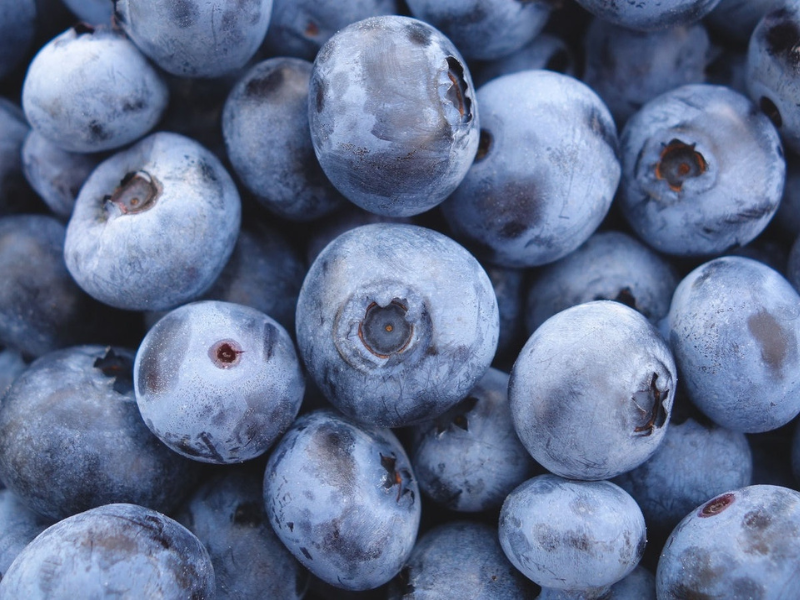
As a standard cup of blueberries contains around 150 mg of anthocyanins, consuming approximately one third of a cup per day would be enough to reach the 50 mg threshold associated with vascular and metabolic benefits in the clinical trials reviewed.
Expert perspective
“This study suggests that simple and achievable dietary changes can have a significant impact on reducing the risk of heart disease and type 2 diabetes,” said Dr Aedin Cassidy, Professor of Nutrition and Preventive Medicine at Queen’s University Belfast and co-author of the study.
“The improvements observed in blood flow, arterial elasticity and insulin levels may translate into substantial long-term health benefits,” she added.
Potential role in nutritional guidelines
The study concludes that these findings support the inclusion of anthocyanins in evidence-based nutritional guidelines for the primary prevention of cardiovascular disease.
The results also reinforce the role of anthocyanin-rich foods, such as blueberries and other dark-coloured fruits, as part of a balanced diet aimed at supporting long-term cardiometabolic health.