









Diego Martínez is entering a new stage of development following the expansion of its facilities and the diversification of its product range.
The company has added a new 6,400-square-metre warehouse, located opposite Warehouse F, in a strategic location that strengthens both its operational and commercial capabilities.
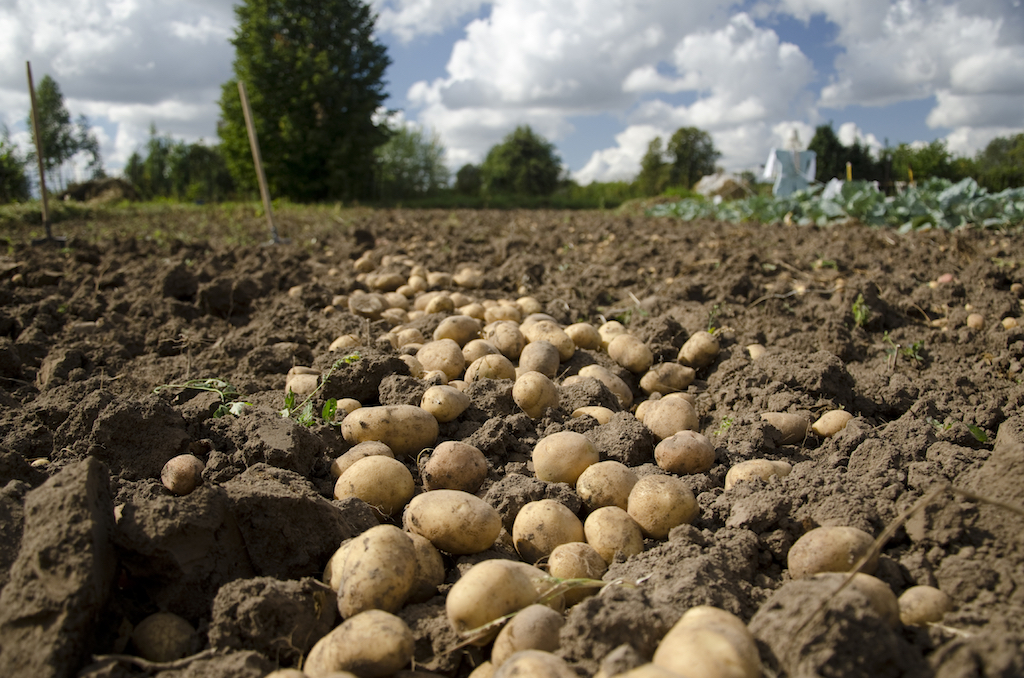
This expansion complements the company’s existing facilities—4,800 square metres plus a further 1,800 square metres—and will enable Diego Martínez to work with a broader product offering. Alongside its traditional business, the company is now incorporating new references in exotic fruit, potatoes, garlic and onions, with the aim of increasing volumes and offsetting the slower turnover of certain products.
“We are trying to generate much higher volumes by offering a wider range of products,” explains the executive.
This strategy reflects an increasingly common reality in the wholesale market: while some products continue to sell well, the volumes they generate are no longer sufficient on their own to sustain business growth. As a result, the company has opted to broaden its portfolio and diversify its offering.
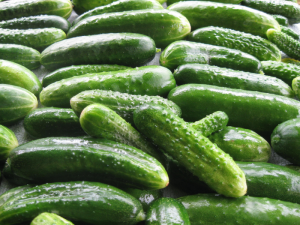
Overall, the current season has been positive for Diego Martínez. During the first five months of the year, prices performed well, particularly for products from Almería, such as tomatoes, cucumbers and courgettes. Tomatoes even exceeded €2/kg at certain points, allowing the company to achieve satisfactory turnover despite marketing lower volumes.
The situation changed with the arrival of June. Increased product availability placed downward pressure on prices, although the company continues to view the season positively. In fact, Diego Martínez expects to close the year with growth of between 10% and 12%, supported by the expansion of its facilities, the broader product range and its strengthened commercial capacity.
Exports: an increasingly competitive market
In export markets, the company identifies two clearly differentiated phases. Until around 15 June, overseas demand remained strong and supported steady commercial activity. However, once countries such as Greece and Italy entered production, market dynamics changed significantly, particularly for stone fruit.
The increase in European supply has led to market saturation and lower prices compared with last year. The main difference lies in volumes: there is considerably more fruit available this season, making it difficult to replicate the price levels achieved in the previous campaign.
RELATED NEWS: Diego Martínez boosts operations with new warehouse and product lines
Nevertheless, the company maintains a solid market position thanks to its business model, which is based on long-term customer relationships. Diego Martínez works with a portfolio of regional supermarket chains and loyal customers who purchase regularly, allowing the company to forecast volumes and market its produce with greater consistency.
“Year after year, the volume marketed remains more or less the same.”
Heat affects fruit size and market destinations
Another factor shaping the current season is the heat across Europe. High temperatures accelerate fruit ripening and make it more difficult for fruit to reach the desired sizes. Although trees complete their growth cycle, the fruit often ripens before reaching its optimum size, reducing the availability of larger grades.
This has direct commercial consequences. Larger fruit sizes, traditionally preferred on the Spanish market, are becoming scarcer. By contrast, there is a greater supply of smaller sizes, which are generally easier to market in export destinations, particularly in Northern Europe, where this type of fruit is more widely accepted.