








The future of fresh produce retail in Europe lies in the integration of artificial intelligence, the extensive use of data and stronger collaboration across the value chain. This was one of the key conclusions from the Retail Round Table held during Fruit Logistica 2026 in Berlin, where senior buyers from some of Europe’s leading retail chains discussed the sector’s main challenges and opportunities.
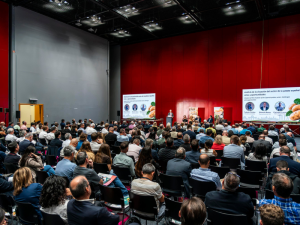
The session, organised by Fruitnet, brought together representatives from Tesco, ICA Gruppen, Rewe, Aldi Süd and Marks & Spencer, in a closed-door meeting that enabled an open and strategic exchange on consumption trends and supply chain dynamics.
Artificial intelligence will shape consumption
One of the main topics discussed was the growing role of artificial intelligence in purchasing decisions. Participants highlighted that AI tools could increasingly influence consumer behaviour by enabling more personalised shopping experiences, although concerns were also raised about potential product standardisation.
At the same time, AI was seen as a key enabler to boost fresh produce consumption through tailored nutritional recommendations and more engaging retail experiences.
Health and convenience drive demand
Health and wellbeing trends continue to represent a major growth opportunity for the sector. Expanding product ranges, including more niche and specialised offerings, is seen as a key strategy—provided retailers rely on data-driven approaches to manage risk and align supply with demand.
Data-driven models and a more technical buyer role
Retailers agreed on the need to move towards more predictive, data-driven supply models to improve efficiency and reduce volatility across the supply chain.
RELATED NEWS: Startup World at Fruit Logistica: Fresh produce innovation starts here
This shift is also transforming the role of the buyer, which is becoming increasingly technical and strategic, with greater expertise required in areas such as product development, varietal selection and supply chain management.
Collaboration to strengthen resilience
Supply chain resilience and sustainability were also central to the discussion. The sector is moving towards closer collaboration between operators to optimise logistics and ensure more stable product availability.
Enhancing the in-store experience
Participants also stressed the importance of improving the in-store experience. Better store layouts and stronger product presentation were identified as key levers to attract consumers and drive category growth.
A sector in accelerated transformation
The round table highlighted a sector undergoing rapid transformation, where the convergence of technology, data and collaboration is redefining how fresh produce is sourced, marketed and sold.
In this context, the ability to translate innovation into tangible improvements in availability, quality and consumer engagement will be critical. The sector is not only adapting to evolving consumer demands but is also positioned to shape the future of food retail.