






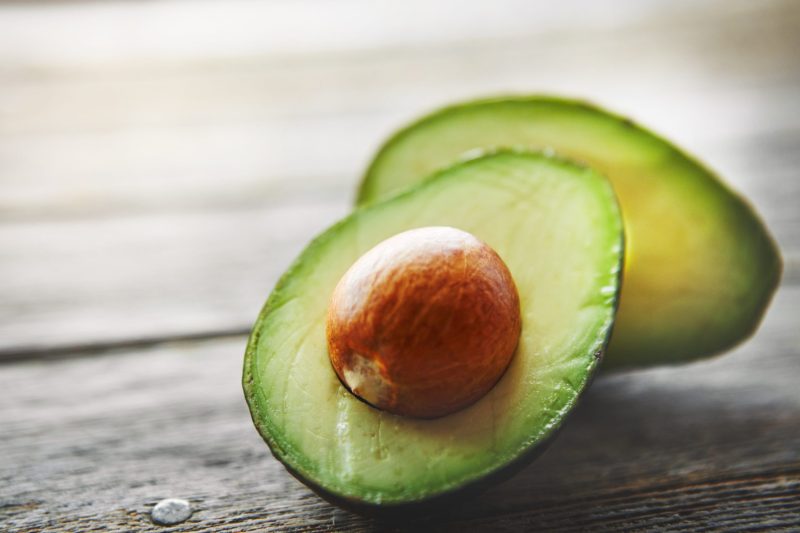
Avocados and mangoes are now staples across European diets—featured in breakfasts, salads, bowls and ready-to-eat meals—driven by the rise of healthier eating habits and growing consumer concern over food quality. Yet a lesser-known reality remains: Europe also produces avocados and mangoes, and their origin can make a tangible difference.
To address this gap and turn established consumption into a more informed choice, the Intertropic, with the support of the European Union, has launched the campaign “European Avocado and Mango: Fruits with Heart” across Spain, France, Italy and the United Kingdom. The initiative aims to improve awareness, drive consumption and reinforce the value of European-grown produce under the message “You take care of yourself. They take care of you.”
“We want consumers to know that European avocados and mangoes exist, with attributes that differentiate them from those produced elsewhere, and that they can easily identify them,” said José Linares, president of Intertropic. “The campaign is designed to provide useful information, highlight our production model and support choices based on proximity, traceability and trust.”
Strong growth in the Spanish market
Spain is Europe’s leading producer of avocados and mangoes and one of the fastest-growing markets for both categories. In 2024, household consumption of avocados reached an estimated €443.8 million, up from €229.7 million in 2019—effectively doubling the market value in five years. In volume terms, consumption increased from 62,618 tonnes to 95,253 tonnes over the same period.
Growth remains robust in the short term as well. Between 2023 and 2024, avocado value rose by 15.7%, confirming the strength of a category now present in over 80% of households, with per capita consumption around 2 kg per year, according to data from the Spanish Ministry of Agriculture, Fisheries and Food (MAPA). Mango is also gaining ground, reaching a market value of €121 million in 2024 and already present in one out of every two Spanish households.
However, this strong market performance coexists with the key challenge addressed by the campaign: consumption is often routine, without consumers necessarily linking their purchase to informed decisions about origin, seasonality or product differentiation.
Differentiating European origin
Intertropic highlights specific attributes associated with European production. For avocados, the focus is on the phytosanitary profile, with the absence of several plant protection products permitted in other regions. For mangoes, the emphasis is on taste, as European fruit is harvested at a more advanced stage of ripeness, offering fuller flavour compared to long-distance imports that typically arrive less mature.
When referring to European-origin avocados and mangoes, around 80% of production comes from Spain. The country leads EU production and has expanded its cultivated area to approximately 24,800 hectares of avocados and 6,150 hectares of mangoes, according to data from the ESYRCE survey of the Ministry of Agriculture.
Key export markets: France, Italy and the UK
France, Italy and the United Kingdom represent strategic destinations for Spanish exports. In 2025, Spain supplied 64,247 tonnes of avocados to France, 6,260 tonnes to Italy and 5,697 tonnes to the UK—more than 76,000 tonnes combined. For mangoes, exports reached 16,313 tonnes to France, 4,891 tonnes to Italy and 618 tonnes to the UK, totalling over 21,800 tonnes across the three markets.
Since 2020, total export volumes to these countries have grown by 16.6% for avocados and 22.9% for mangoes, confirming their importance as key growth hubs.
RELATED NEWS: Mangoes and avocados are the key products at Macfrut
Each market presents distinct dynamics. France is Europe’s leading avocado market, with increasing demand for origin and traceability. Italy is an expanding market with significant potential to consolidate consumption habits, while the UK is a mature and highly competitive market where the challenge lies in differentiating European origin from third-country imports.
“The growth in avocado and mango consumption in Europe has been remarkable, and Spain plays a central role as the main EU supplier,” said Antonio Carpintero, managing director of Intertropic. “The challenge now is to translate that growth into greater recognition of origin. For fresh produce, factors such as proximity, a defined marketing window and the ability to reach retail shelves in optimal condition are decisive.”
A €9 million campaign through 2028
The campaign is built on a pragmatic message: healthy eating should be accessible, not restrictive. In this context, avocados and mangoes stand out for their nutritional profile and versatility across a wide range of meals.
This approach aligns with broader consumer trends. According to the latest Eurobarometer on food safety from European Food Safety Authority (EFSA), 53% of Europeans consider increasing fruit and vegetable consumption essential for a healthy diet, while 42% say they pay attention to product origin when shopping.
Proximity is a further advantage. European avocados are harvested from November to April, and mangoes from September to October, creating a distinct commercial window. Combined with shorter supply chains, this allows fruit to reach European retail outlets within 48 to 72 hours, preserving organoleptic quality and nutritional value while ensuring optimal ripeness for consumers.
To reinforce consumer awareness, the campaign will mobilise more than €9 million over the next three years across Spain, France, Italy and the UK, with 75% of the funding provided by the EU. The initiative will deploy a coordinated multichannel strategy combining television, digital media, cinema and social networks, alongside public relations, influencer partnerships, events and in-store activations. It is expected to generate over 380 million impacts, reaching consumers at key decision-making moments.