









Syngenta recorded significant growth during the last season in the adoption of its rootstocks with intermediate resistance to Tomato Brown Rugose Fruit Virus (ToBRFV), to the point of doubling its market share in south-eastern Spain. The company currently has several million rootstocks planted in Spanish fields, mainly concentrated in Almería, Murcia and the Costa de Granada.
This is confirmed by Rafael Salinas, Tomato Product Specialist at Syngenta Spain, who highlights that field acceptance during this season has been “very positive”.
Vigour without excessive vegetative growth
Salinas points to two main reasons. The first is agronomic value. Kronosor and Fervour are vigorous rootstocks but without excessive vegetative growth, a quality that proved especially relevant during an extraordinarily rainy winter, the wettest in the region over the last 15 years.
Excess vegetation leads to light loss, colouring problems and greater disease incidence — risks that these rootstocks minimise by maintaining balanced foliage volume with adequate photosynthetic activity.
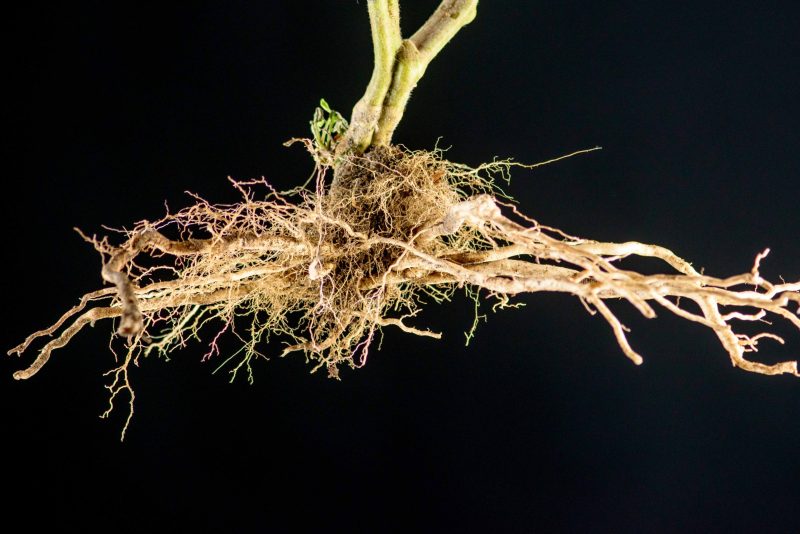
The root system: the first shield against the virus
The second reason is intermediate resistance to ToBRFV. As a systemic virus, rugose can move from the aerial parts of the plant towards the roots, turning them into a reservoir that amplifies viral multiplication, reduces root development and weakens crop vigour. Root protection limits total viral load and reduces symptom expression.
Fervour also incorporates resistance to Fusarium oxysporum race 2 (Fol 3 gene), a disease which, although not officially declared in Spain, is increasingly appearing in areas with high temperatures, causing plantation collapse even when grafted onto conventional rootstocks.
A range for every type of farm
Syngenta completes its offer with Honour and Armour, medium-vigour rootstocks recommended for less stressful conditions: farms with low virus pressure, relatively high temperatures and less need to push the crop cycle. They are also the preferred option when growers seek an extra quality boost in flavour.
The company continues to actively develop its breeding programme, working on resistances to biotic and abiotic stress (temperature, salinity and cold), as rootstocks also contribute to extending production cycles under adverse conditions — a key objective for grower profitability.
RELATED NEWS: Syngenta drives the re-evolution of late California peppers
“Today, I cannot imagine going backwards. In tomato, not only in Spain but also in Italy, Morocco, the USA, Mexico… rootstocks are now fully implemented.”
Corseo and Altariel, varietal bets
On the varietal side, one of Syngenta’s latest introductions is Corseo, which has responded solidly during a difficult winter, delivering double trusses, high productivity, good sizing and consistency.
For 2026/27, the company is launching Altariel (TIPL 24-M444), a ribbed variety for breaker-stage harvesting that positions itself as one of the first varieties of this typology with intermediate resistance to rugose.
With fruits reaching up to 250 grams in GG size under normal conditions, Altariel stands out for its high fruit set even in winter, excellent firmness and postharvest performance, as well as very high salinity tolerance: the plant maintains growth and fruit sizing without blossom-end scar issues, making it especially suitable for areas with poor-quality water.
The variety is already commercially available.